Beyond the Mic: How Podcasting Is Building New Bridges on Campus
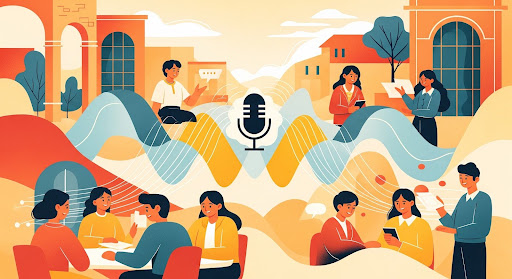
Step into a university studio and you’ll hear more than just stories. You’ll hear a quiet revolution.
Podcasting is changing how colleges connect—not only with students and alumni, but with their own sense of identity. Yet, for every celebrated show, there are half a dozen that fizzle, lost in the flood of content. The difference? The best campus podcasts don’t start with tools—they start with people.
Too often, higher ed podcasting gets stuck on the technical: gear, editing, platforms. But what’s missing in the rush to launch is a deeper question: Who are we trying to reach, and why does it matter? Irma Goosen, an international speaker and architect of the CONNECT™ Framework, believes the answer lies in storytelling with intention. “It’s not about being the loudest voice,” she says. “It’s about building trust and giving space to voices that haven’t always been heard.”
Goosen’s work centers on equipping campus leaders and students to use podcasts to bridge divides—across culture, generation, and experience. She’s seen the impact firsthand: a faculty podcast that became a safe space for dialogue about race and belonging, a student-run show that helped first-generation students feel seen, an alumni series that turned nostalgia into renewed engagement.
The secret, Goosen says, isn’t more episodes or better microphones. It’s understanding the audience, inviting collaboration, and weaving in stories that resonate. The CONNECT™ Framework asks teams not just to “make content,” but to draw out real stories, invite honest feedback, and build a sense of belonging.
That approach pays off in surprising ways. When students feel a podcast is “for them, by them,” retention and engagement spike. Faculty who share their journeys find common ground with learners. Even administrators, sometimes wary of unscripted audio, have discovered podcasts can humanize leadership and spark genuine conversation.
As Goosen reflects on her own immigrant journey—navigating new cultures, languages, and identities—she sees podcasting as a metaphor for belonging. “We all crave connection,” she notes. “Podcasting lets us listen in on each other’s worlds. It’s a chance to build empathy, not just broadcast information.”
As higher ed evolves, podcasting is more than a communication tool. It’s a bridge—one that helps campuses reach across divides, invite more voices to the table, and create communities that last. The real challenge isn’t technical. It’s the courage to listen, share, and build something together.

Written by Irma Goosen: Irma Goosen is an international speaker, TEDx presenter, reinvention coach, author, and communication consultant with deep expertise in leadership, resilience, and cross-cultural communication. A two-time immigrant, Irma brings lived experience and professional insight to her work, helping individuals and organizations unlock the power of diverse talent and human connection.
She has coached TEDx speakers, advised global leaders, and worked with professionals across education, healthcare, and community advocacy sectors. Known for her engaging storytelling and practical frameworks, Irma equips audiences with tools they can immediately apply to communicate more effectively, build strong networks, and sustain emotional wellbeing.
As a youth advocate and event host, Irma is passionate about helping people thrive in complex, high-impact roles. Her work focuses on attracting, engaging, and retaining the best and brightest talent—transforming differences into strengths and fostering resilient, connected communities worldwide.

The Indispensable Value of a Liberal Arts Education in the Age of Artificial Intelligence




