A Straightforward Idea for Campus Planning and Space Management

Coffee is cheaper than concrete.
That’s my guiding principle – and call to action – for 2026 and beyond for colleges, universities, and other organizations that must optimize their space for efficiency and mission-alignment.
Coffee represents all the levers that we can pull as we operate and activate space. They include:
· Hospitality – hence coffee as a symbol of these levers – and other incentives to enhance user experience and shape occupancy and utilization.
· Allocation, assignment, and scheduling.
· Making spaces adaptable so they can be changed for emerging uses over time and flexible so they can be customized in the short term for different uses.
· Making sure stakeholders are aware that various spaces exist.
· Assessment – of things such as usage, user experience, facility performance, and demand for spaces that don’t yet exist.
· Training on how to use spaces. In an educational setting, that can include faculty development. At work, it can include technology training and support.
Concrete represents the physical structure itself – including the time, money, and effort spent programming, designing, and building facilities.
It may seem self-evident that “coffee is cheaper than concrete.” Letting vast amounts of space sit empty is unnecessary and increasingly untenable. But logic alone doesn’t always win the day. We need to galvanize the organizational will to invest properly in budget, personnel, and attention that will enable coffee to do its magic. A mantra can help.
Impact as well as efficiency
In addition to driving efficiency, coffee is how we will get the greatest impact from our spaces. This is rooted in the fundamental but overlooked fact that our job is not to design spaces but to match spaces with activities and people. That is impossible without a redoubled commitment to the operation and activation of space.
Even though concrete alone can’t achieve effective and efficient space usage, we dedicate disproportionate amounts of budget and conversation to it. Neglecting the entirety of the matching process described above has caused us to build too much physical space and get less from it than we could have.
With budgetary pressures from all sides and new opportunities for it to drive institutional excellence and innovation, not to mention the continued importance of carbon reduction, it is urgent that we shift our mindset around physical space and execute on that shift with tenacity. It makes sense to celebrate the opening of a new building. But let’s be clear that we are celebrating an opportunity, not final success.
A tested strategy
While the framing of “coffee” versus “concrete” has come to mind more recently, fueled in part by the urgency of change in how educational and corporate space is managed and the increasing availability of technology to facilitate that, the idea is not new.
When I directed the scheduling office at a major university, I used to claim that we could effectively create an entire new classroom building through tweaks to the course schedule that optimized room utilization. I have found the same to be true with institutions I now serve as a consultant. One community college increased its classroom stock by 15 percent with a modest amount of analysis and some clicks of the mouse. The cost of the coffee it took to create these “new” buildings is far lower than the tens of millions of dollars of concrete that would have been required.
Similarly, the recent attention given to designing spaces that account for neurodiversity is to be applauded. We should keep our foot on the gas there. But to achieve the potential created by design – and to optimize experiences without or before a space redesign – requires explicit, sustained attention to the policies, procedures, and technology used to match individuals to the spaces that work best for them.
And the continuing popularity of co-working spaces, including on some college campuses, is all about giving coffee a role, literally and figuratively.
With success stories to point to and the emergence of technology to help enact change, the question is not whether institutions have the ability to manage space more effectively but whether they have the will.
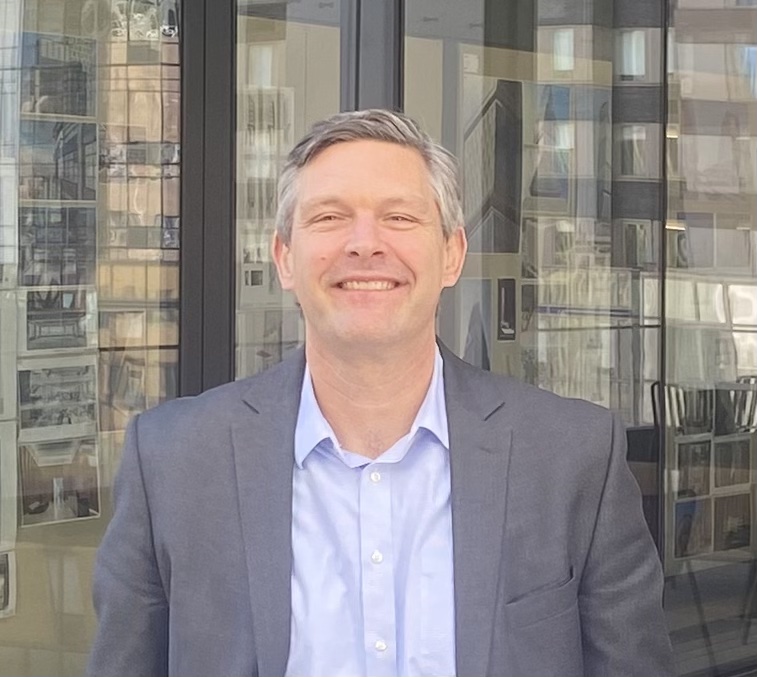
Chris Morett, PhD, MPP is a space planning and utilization consultant. He works with colleges and universities to achieve efficient and impactful physical footprints through planning and change management. He has worked with a range of institutions on space data analysis, utilization studies, building programming, campus master plans, and course scheduling optimization.
Chris was previously the Director of Academic Scheduling and Space Management at Rutgers University, where he also helped lead space and classroom benchmarking projects across Big Ten Academic Alliance schools.
He hosts the EdUp Campus Planning podcast and enjoys writing and speaking about space and facilities. Recent topics include how institutions can assess the impact of spaces through post-occupancy evaluations and other approaches, technology procurement and implementation, the impact of VR and other digital technologies on capital planning, and how to establish shared office space among staff and faculty to improve individual and collective outcomes.

The Indispensable Value of a Liberal Arts Education in the Age of Artificial Intelligence




